
Anchoring a gazebo to your ground
Soil, lawn, gravel or a slab: how a wrought iron gazebo is anchored to the ground depending on terrain, with the depths to plan for.
Get a quote →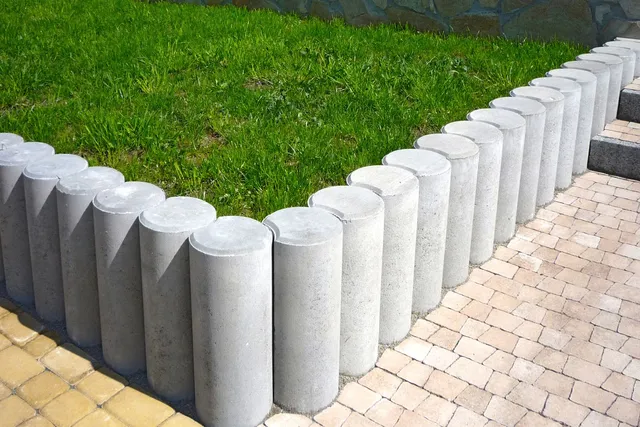
The anchoring method for your terrain
A roofed gazebo takes wind load across its entire roof — anchoring is never optional, whatever the ground. The depths below are workshop recommendations, to confirm against your actual terrain.
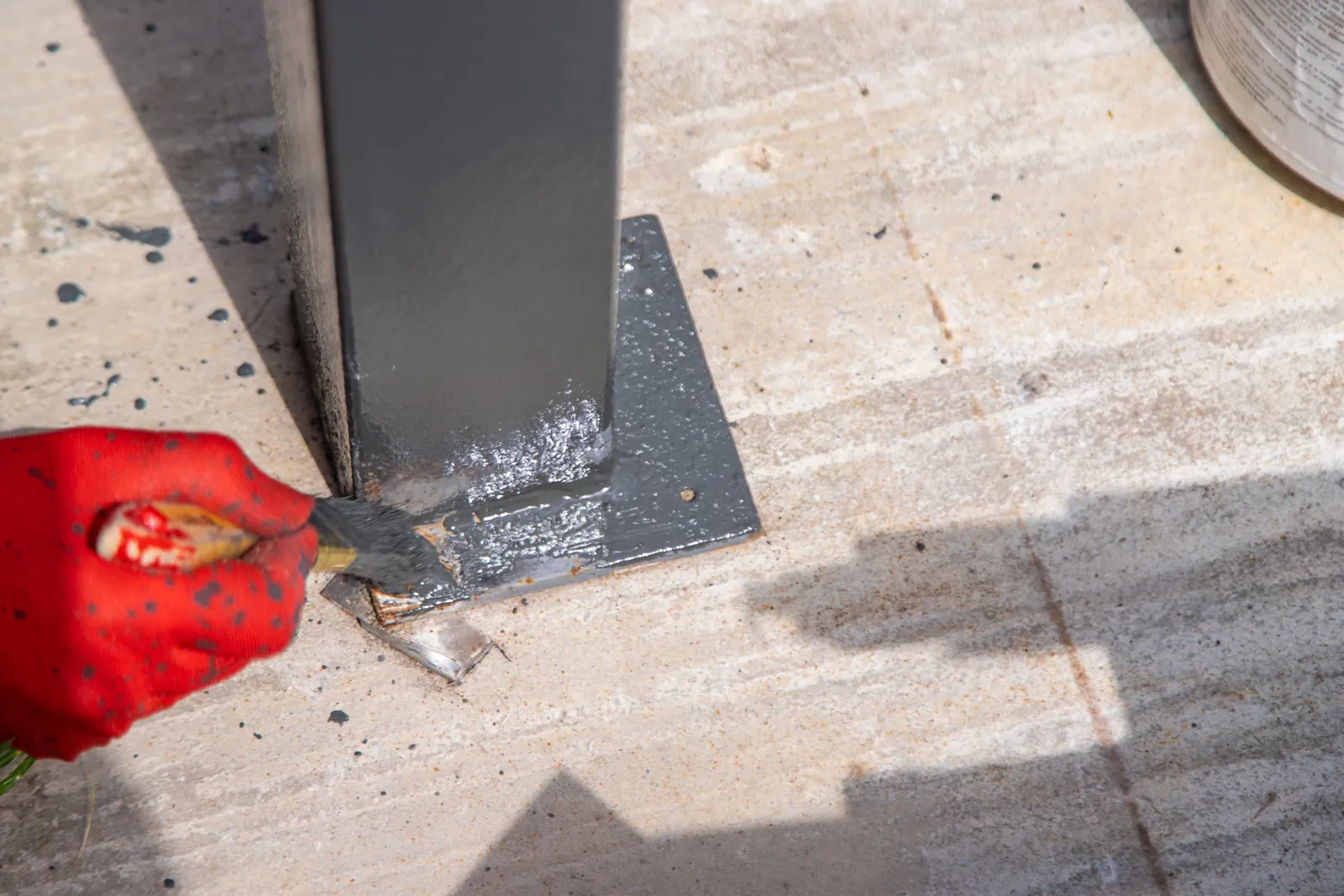
Existing slab or patioNo digging
Bolted base plates and chemical anchors — no digging needed, provided the slab is at least 10 to 12 cm thick.
Open soil40 to 50 cm
A poured concrete footing under each post, 40 to 50 cm deep.
Lawn40 to 50 cm
Buried concrete footings, flush with the surface, 40 to 50 cm deep.
Gravel pathBelow the gravel
A concrete footing under the gravel layer, down to 40 to 50 cm deep.
Gravel alone never stabilises an anchor point — a concrete footing is still needed under the surface layer, even on an already-gravelled path.
Before install
Check the actual thickness of an existing slab
Bolted base plates on a slab that's too thin (under 10 cm) risk failing over time, especially on a roofed gazebo exposed to wind — something the workshop checks before offering this method instead of a deeper concrete footing.
Locate buried utilities first
Before any digging for a concrete footing, it's essential to confirm there are no cables, pipes or drains at the planned spot — a check that's the customer's responsibility, not the workshop's.
Frequently asked questions
Can a gazebo be moved once anchored?
Bolted base plates allow a relatively straightforward take-down, unlike a poured concrete footing which fixes the structure almost permanently — worth weighing at the quote stage if a future move is a possibility.
Is installation included in the gazebo's price?
It depends on the configuration — worth confirming at the first conversation. See the pricing page for what's typically included versus billed separately.
Does an unroofed gazebo need different anchoring?
Usually lighter, yes: an open structure takes less wind than a fully roofed one, which can allow bolted base plates where a roofed model would need a concrete footing.
Get a free quote
Describe your terrain — the workshop confirms the right anchoring method before any pricing.